
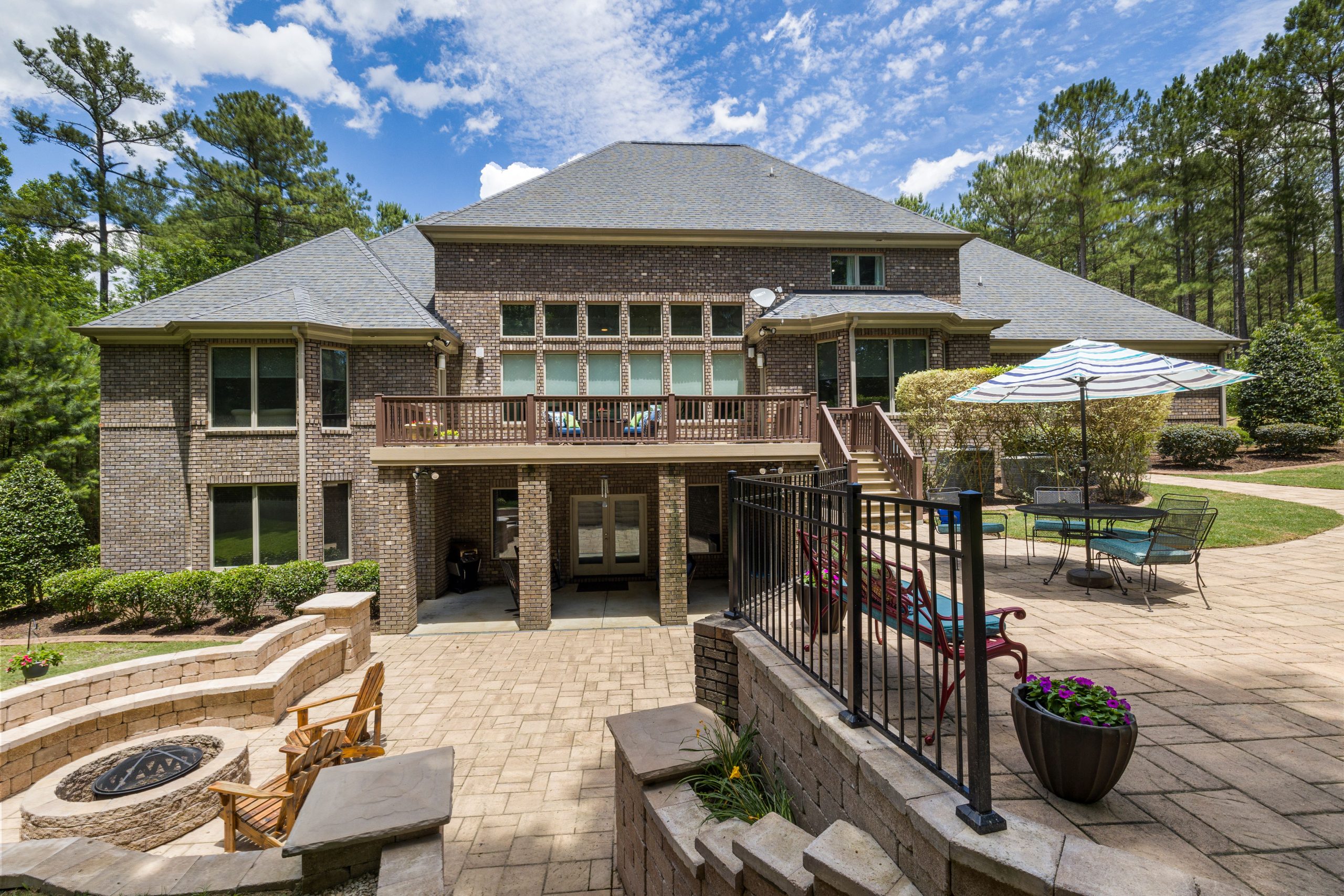
Celebrity backyards are easy to admire and difficult to copy. A celebrity property may have a resort-size pool, a designer outdoor kitchen, or enough land for several separate entertaining zones. The useful part, however, is rarely the square footage. It is the way the space is arranged.
The most successful celebrity-inspired backyard design ideas give each part of the yard a job: one place to eat, one place to talk, one place to cool off, and one quiet corner to disappear into. That logic works just as well in a suburban yard, a narrow patio, or a small garden behind a townhouse.
This guide focuses on the details worth borrowing, what to leave behind, and how to make a backyard feel considered rather than overloaded.
Table of Contents
- The real lesson from celebrity backyards
- Design the yard in zones, not objects
- Celebrity-inspired ideas for ordinary homes
- Choose materials that can handle real life
- Use greenery for privacy and atmosphere
- Make the evening version of the yard count
- A sensible order for spending
- Frequently asked questions
The real lesson from celebrity backyards
In Architectural Digest’s archive of celebrity outdoor spaces, the details vary wildly, but the planning pattern repeats. A courtyard may be organized around a fireplace. A terrace may combine a sofa and daybed. A garden may use tall planting to screen an outdoor kitchen and fire pit. The luxury comes from clarity: you can tell what the space is for.
That is the point to take home. You do not need a swimming pool to create a poolside feeling, or a 118-foot pergola like the one documented at Sting and Trudie Styler’s Italian property. You need a strong visual destination and enough breathing room around it.
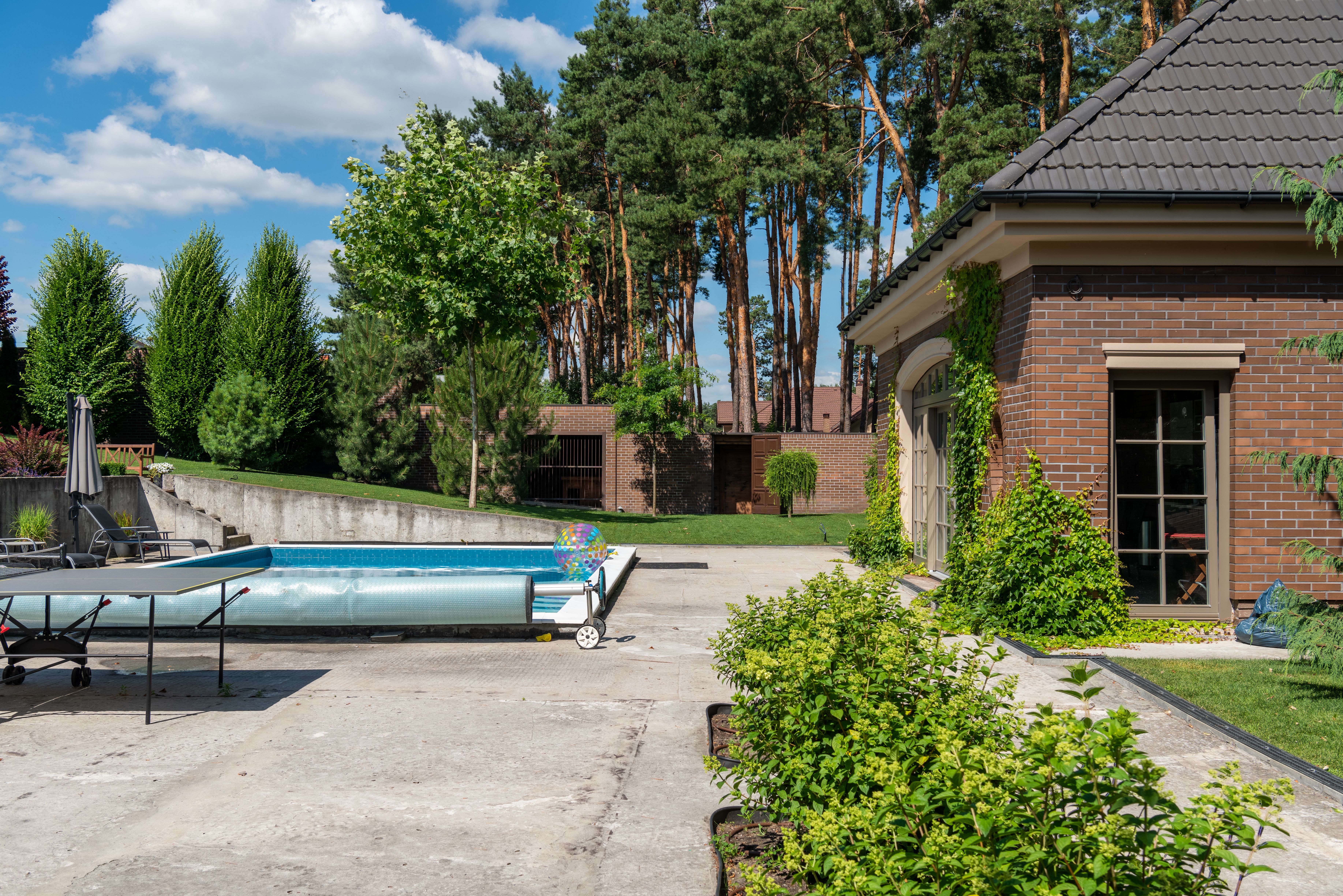
Design the yard in zones, not objects
A common mistake is shopping for outdoor pieces one at a time: a grill, then a fire pit, then a dining set, then a few planters. The result can be expensive but strangely unusable. Start with activities instead.
| Documented inspiration | Design feature | Practical translation |
|---|---|---|
| Khloé Kardashian’s Calabasas courtyard | A fireplace creates the focus of the seating area | Make a fire bowl, built-in hearth, or compact chiminea the visual anchor |
| Chrissy Teigen and John Legend’s terrace | A sofa and daybed create a relaxed outdoor living room | Pair one comfortable sofa with two movable chairs instead of filling the patio with matching pieces |
| Giada De Laurentiis’s family home | Privacy planting surrounds the outdoor kitchen and fire pit | Use a hedge, trellis, or layered containers to make one entertaining zone feel secluded |
| Sting and Trudie Styler’s Italian property | A pergola defines a long outdoor route and dining area | Use a smaller pergola or shade sail to give an otherwise undefined patio a ceiling |
Examples in the first column are reported by Architectural Digest; the final column is a practical design interpretation.
Before buying anything, sketch three zones:
- Arrival zone: the path from the house to the yard, with clear footing and somewhere to set down a drink.
- Social zone: the area for conversation, dining, grilling, or watching a film.
- Retreat zone: a chair, bench, hammock, or planted corner for one person.
Even a small backyard feels more substantial when these purposes are visually separated. A change in paving, a rug rated for outdoor use, a planter line, or a low wall can do the job without construction.
Celebrity-inspired ideas for ordinary homes
1. Build an outdoor living room
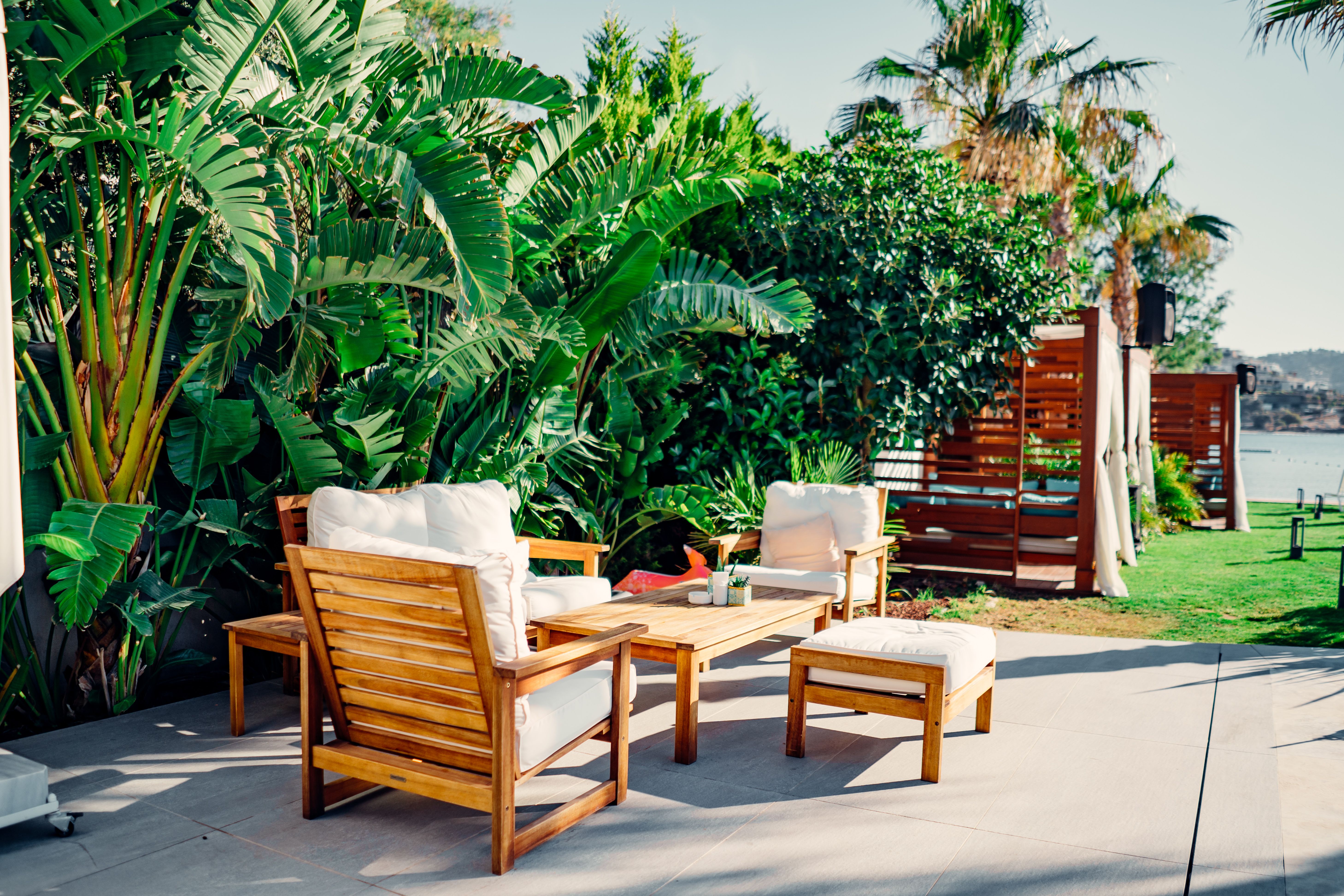
The easiest way to get a polished look is to treat the patio like a room rather than a storage area for weatherproof furniture. Face seating toward one another, not toward the fence. Add a low table within reach of every seat, then place the lighting at different heights.
Keep the palette restrained. One main finish, one upholstery color, and one accent tone usually look more intentional than a collection of unrelated outdoor trends. If the space needs flexible seating, choose durable pieces such as composite outdoor furniture that suits the conditions and can be rearranged as guests arrive.
2. Give dining its own address
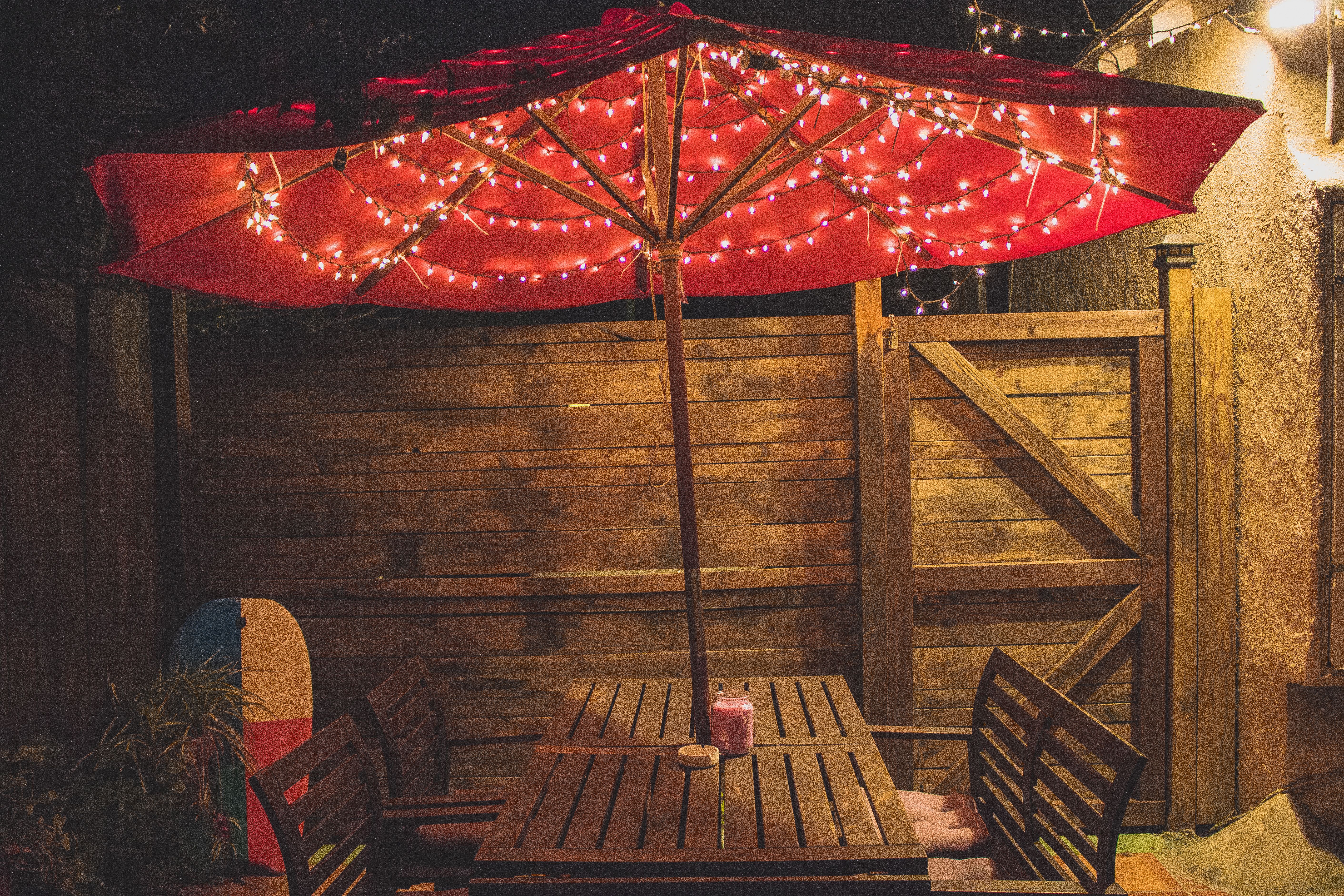
A dining table should not be squeezed into the leftover strip beside the grill. Put it where people naturally want to linger: near the kitchen door for easy serving, beneath shade for daytime comfort, or beside planting that makes the meal feel tucked away.
A parasol is not merely decoration. It controls glare, makes the table usable at midday, and gives the dining area a strong vertical marker. For evening meals, use warm, low-glare lighting around the perimeter rather than a bright fixture directly overhead.
3. Use a pergola as an architectural shortcut
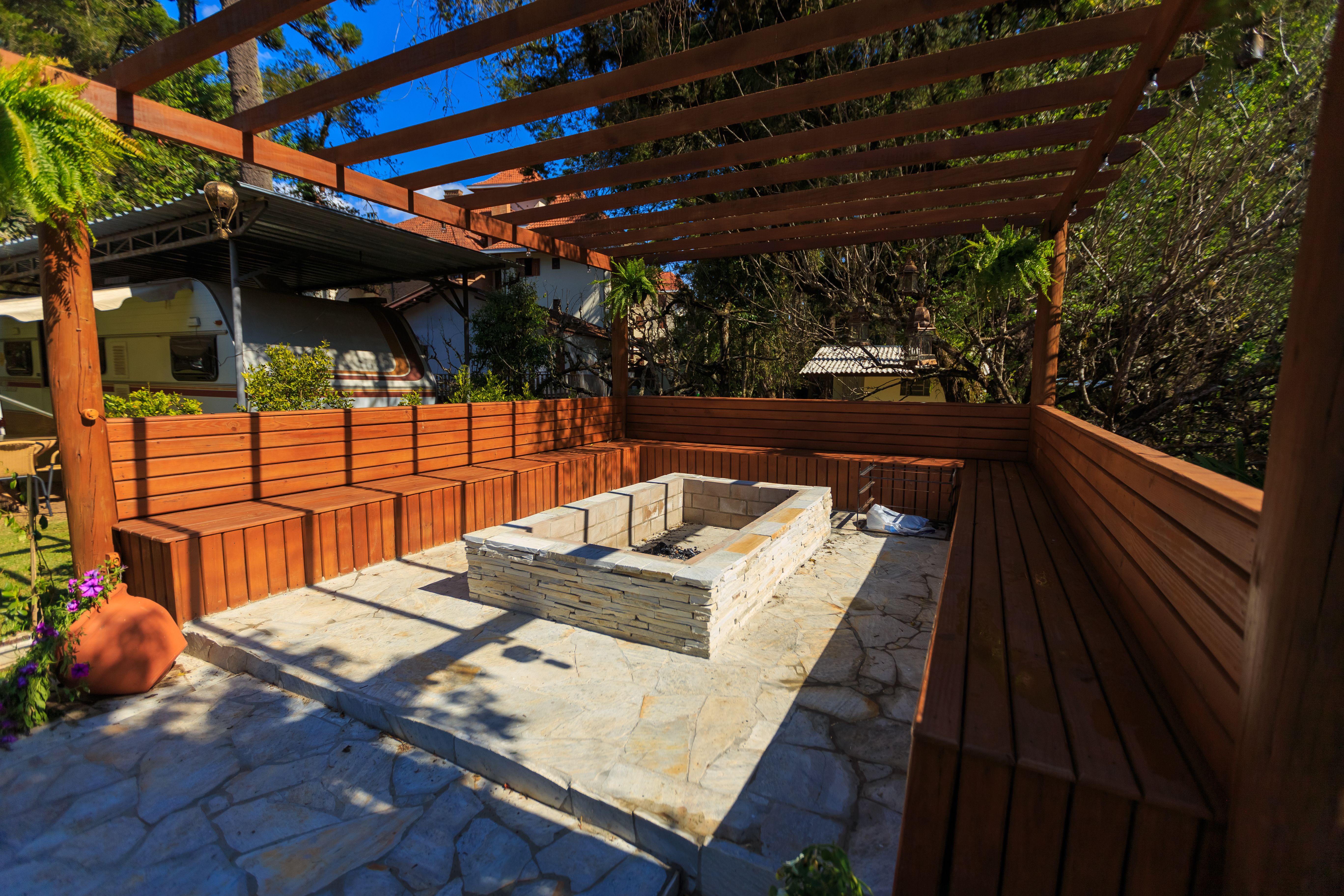
A pergola can make a flat patio feel designed because it adds height and establishes a room-like boundary. It does not need to cover the entire yard. Place it over the social zone and leave the surrounding garden open.
For a more relaxed look, train suitable vines over part of the structure, but do not assume every climber belongs near a roof, gutter, or boundary fence. Check the plant’s mature size and local growing conditions first. A fabric shade sail offers a lighter, reversible alternative when a permanent structure would be excessive.
4. Make the fire feature proportional
Fire pits are often treated as the centerpiece, but the seating distance matters more than the pit itself. People should be able to talk without shouting and move around the edge without brushing against hot surfaces. Follow local rules, manufacturer clearances, and fuel-specific safety requirements.
My preference is a modest fire feature with genuinely comfortable chairs around it. A giant built-in pit that leaves no room for circulation looks impressive in a photograph and becomes awkward on an ordinary Tuesday.
Choose materials that can handle real life
Celebrity interiors often make delicate materials look effortless because someone is maintaining them constantly. Everyday backyards need a tougher standard. Ask what happens after a wet week, a dropped plate, muddy shoes, sunscreen, and a season of direct sun.
- Choose cushions with removable, washable covers and store them when severe weather is expected.
- Prefer finishes that develop a deliberate patina or can be cleaned without specialist products.
- Use rugs only where they will dry properly; trapped moisture can damage both the rug and the surface below.
- Leave maintenance access around grills, pumps, gates, and drainage points.
Also think about movement. Lightweight chairs are useful when the yard changes from breakfast nook to party space, while a heavier sofa can anchor the room. The best arrangement is not the one that looks most symmetrical; it is the one that can be reset in five minutes.
Use greenery for privacy and atmosphere
Privacy planting is one of the most transferable celebrity-backyard ideas because it improves both appearance and comfort. Layer plants by height instead of creating a single flat hedge: a small tree or tall screen at the back, shrubs in the middle, and herbs or flowering plants near the seating.
Do not copy a plant simply because it looks good in a celebrity home photographed in another climate. The EPA WaterSense guide recommends choosing regionally appropriate plants, grouping plants with similar water needs, using mulch, and reserving thirsty turf for places where it has a practical function. Those choices can make a lush-looking yard easier to maintain as well as more resilient.
In practice, start with the view you want to block. Then identify the sun, wind, mature plant size, and watering needs before choosing species. Privacy is a design goal, not a reason to plant a wall of greenery that will outgrow the yard in three years.
Make the evening version of the yard count
Many outdoor spaces look attractive in daylight and disappear after sunset. Plan the night view deliberately. Use three layers:
- Path lighting for steps, changes in level, and routes between the house and seating.
- Task lighting near the grill, sink, dining table, or drinks station.
- Atmospheric lighting from lanterns, concealed strips, or string lights around the social zone.
Keep the brightest light where work happens. The lounge area should feel softer, with enough illumination to see faces without turning the yard into a parking lot. Put decorative lights on timers or smart controls so the space remains inviting without becoming another daily chore.
A sensible order for spending
If the budget is limited, spend in the order that improves use rather than the order that produces the most dramatic photograph.
- Fix the ground: improve drainage, level unsafe areas, and make the route from the house comfortable.
- Create shade: add a parasol, sail, pergola, or covered section where people actually sit.
- Buy fewer, better seats: prioritize comfort, scale, and weather suitability.
- Add privacy: use plants, screens, or a trellis where the yard feels exposed.
- Layer lighting: solve safety and task lighting before decorative lighting.
- Add a signature detail: a fire bowl, colorful parasol, sculptural planter, or outdoor artwork.
This order also protects against a familiar mistake: buying the glamorous finishing pieces before solving heat, glare, muddy access, or a lack of somewhere to put a plate. A backyard earns its luxury feeling through comfort first, visual drama second.
Frequently Asked Questions
A backyard that looks good because it gets used
The most convincing celebrity-inspired backyard is not the one with the most expensive feature. It is the one that understands arrival, comfort, privacy, and the shift from day to night.
Start with one scene you want to make easier: Saturday lunch under shade, a quiet coffee near the planting, or a late conversation around a small fire. Build that scene properly, then let the rest of the yard follow. The result will feel less like a replica of someone else’s property and more like a well-edited version of your own life.