
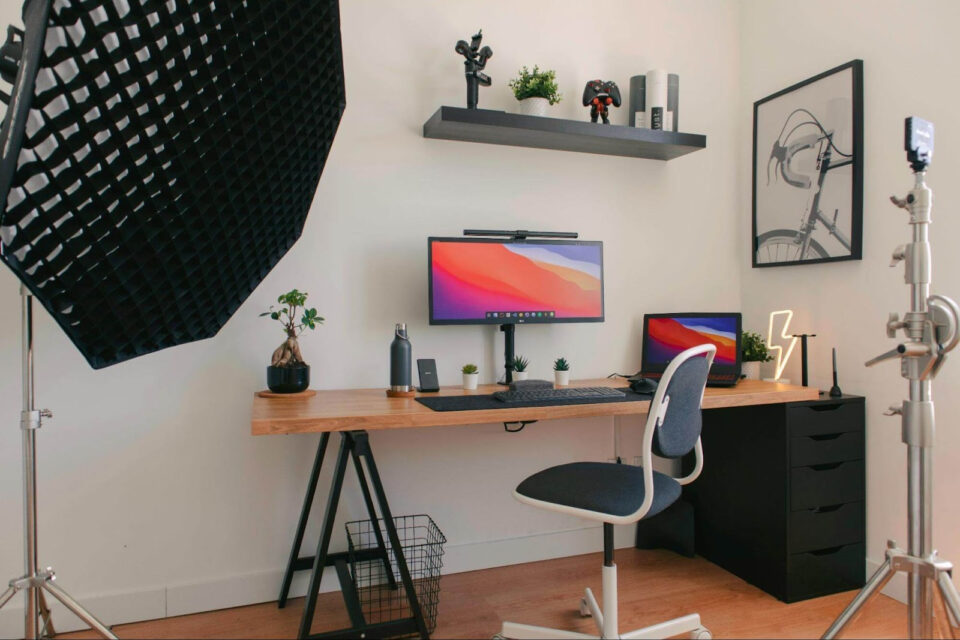
Home content no longer feels like a side hobby tucked into the corner of a bedroom. For freelancers, founders, coaches, creators, and remote teams, the home setup is often the first visual handshake with an audience.
The funny thing is, it does not take a studio budget to look polished. Small design choices change how people read your credibility, your focus, and even your brand. With video now used by 91% of businesses, the room behind you matters more than ever.
Professional setups start before the camera turns on
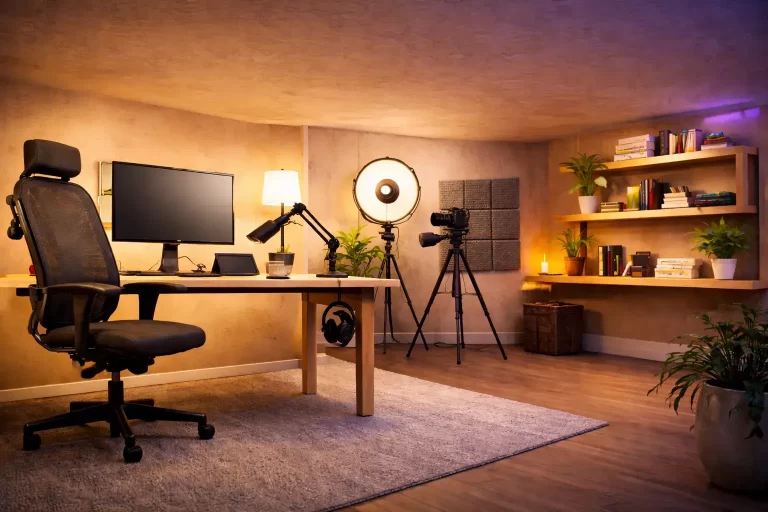
A professional home content setup begins with intention, not expensive gear. Before buying another light, mic, or camera, look at what your audience sees and feels in the first three seconds.
Is the room messy, flat, too dark, too bright, or visually confusing? That first impression quietly shapes trust.
Google’s guidance on helpful content puts people-first value at the center, and that idea works for video too. The setup should support the message, not distract from it.
Think of the space as part of your communication system. The desk, wall, shelves, chair, lighting, and background are all saying something before you speak. Once you notice that, small design choices start feeling less cosmetic and much more strategic for your content brand.
The background is doing more work than you think
The easiest way to upgrade a home studio background is to remove visual noise. You do not need a perfect Pinterest office, but you do need a frame that feels deliberate. A slightly styled shelf, one plant, a textured wall, or a clean desk edge can make the whole setup feel calmer and more believable.
This is also where subtle branding can help. A small wall feature, framed print, or custom neon signs can add personality without turning the room into a sales booth. The trick is restraint. One memorable visual cue feels confident. Five competing props feel like the background is trying too hard.
For a tech or business creator, the best background says, “I know what I am doing,” without making viewers stare at the wall instead of the idea.
Lighting is the fastest visual upgrade
Lighting changes the mood of a home content setup faster than almost anything else. A decent camera can still look poor in harsh overhead light, while a basic webcam can look surprisingly good with soft, controlled light. Wired’s home video guide also points to lighting, microphones, tripods, and cameras as core pieces of a stronger home production setup.
Keep it simple at first:
- Place your main light slightly in front of you, not directly above your head.
- Use a softer lamp, window light, or diffuser to reduce harsh shadows.
- Add a small background light if the room looks flat.
- Avoid mixing warm yellow light with cold blue daylight in the same shot.
Good lighting makes people look relaxed, awake, and present. That alone can make a home setup feel more professional.
Your desk should look useful, not staged
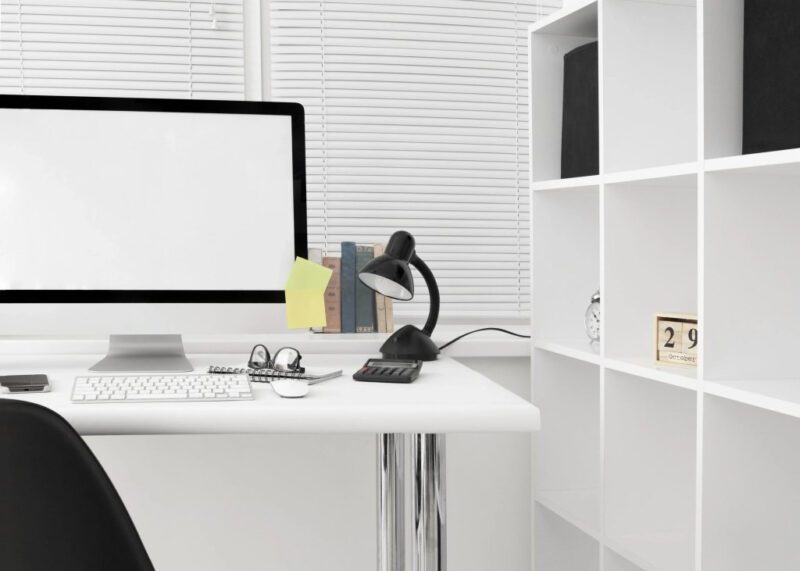
A content desk works best when it looks lived-in but controlled. Viewers can tell when a setup has been arranged only for the camera. That does not mean you should leave cables, mugs, receipts, and random chargers everywhere. It means the objects in frame should make sense.
A laptop, notebook, mic arm, small speaker, or camera lens can suggest work and expertise. A stack of clutter suggests stress. The best desk design usually sits somewhere in the middle, where the space feels active but not chaotic.
| Desk choice | What it signals |
| Clear surface | Focus and control |
| One notebook or tablet | Planning and process |
| Hidden cables | Technical competence |
| Too many gadgets | Distraction or overcompensation |
A clean desk is not about minimalism. It is about making attention easy.
Audio has a design side too
People often treat audio as a technical issue, but it is also a design issue. Empty rooms echo. Hard walls bounce sound. Bare floors make voices feel thin. A few soft materials can make a home setup feel warmer before you even upgrade the microphone.
A rug, curtains, books, cushions, or upholstered chair can reduce the hollow sound that makes a video feel amateur. This matters for business content because poor audio quickly creates fatigue. Viewers may forgive a slightly imperfect image, but they rarely enjoy fighting to hear you.
A professional setup is not only what people see. It is also how comfortable they feel staying with the content.
That comfort often starts with sound, and sound starts with the room.
Framing makes the room feel more expensive
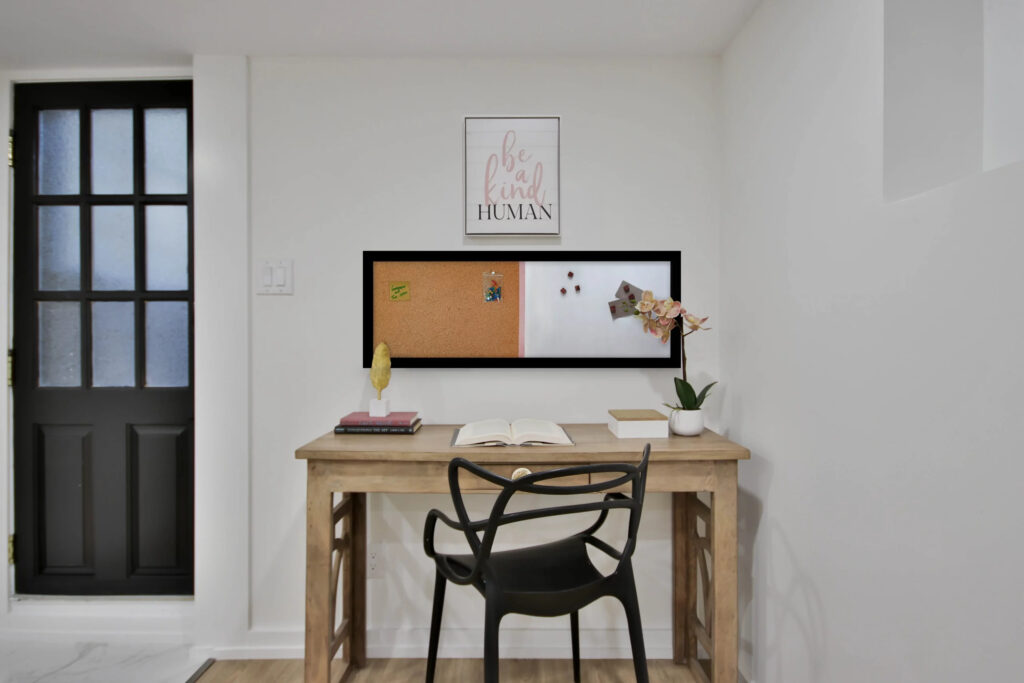
Framing is one of those tiny choices that makes a big difference. Too much ceiling above your head makes the shot feel accidental. Sitting too close to the camera can feel intense. Sitting too far away can make the content feel detached. A good frame feels balanced, human, and easy to watch.
A few small adjustments help:
- Keep your eyes around the upper third of the frame.
- Leave a little space between you and the background.
- Put the camera at eye level instead of looking down at a laptop.
Depth matters too. A shelf, lamp, plant, or softly lit wall behind you keeps the room from looking flat. These choices make even a small room feel more considered, calm, and polished.
Brand polish should carry across platforms
For tech and business creators, branding can easily become too heavy. A giant logo, bright brand colors everywhere, or a wall full of products can make content feel more like an ad than a useful conversation.
Better branding is usually lighter and more consistent.
Pick one or two recognizable elements and repeat them across your setup. It might be a specific accent color, a simple sign, a consistent background object, or a familiar camera angle.
Then check how that setup looks on different platforms. YouTube highlights planning, experimenting, refreshing, and using data as part of content optimization, which is a useful reminder that visual setup and publishing habits should evolve together.
Did you know? If viewers recognize your content before reading the caption, your visual identity is already doing quiet work for the brand.
Small details create trust over time
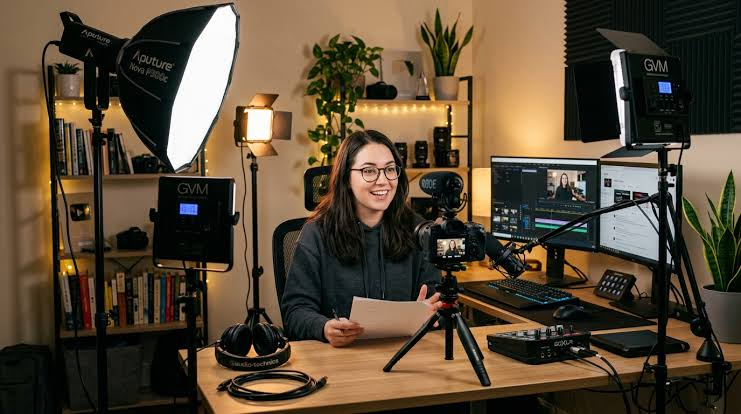
The best home content setups do not scream for attention. They quietly remove reasons for viewers to doubt the message. When the room is clean, the light is soft, the sound is comfortable, and the frame feels balanced, the audience can focus on what you are saying.
That is the real goal. Not perfection. Not a studio copied from someone else. Just a space that feels clear, credible, and repeatable. Small design choices add up because content is judged through repeated impressions. Start small. Move the lamp. Hide the cable. Raise the camera.