
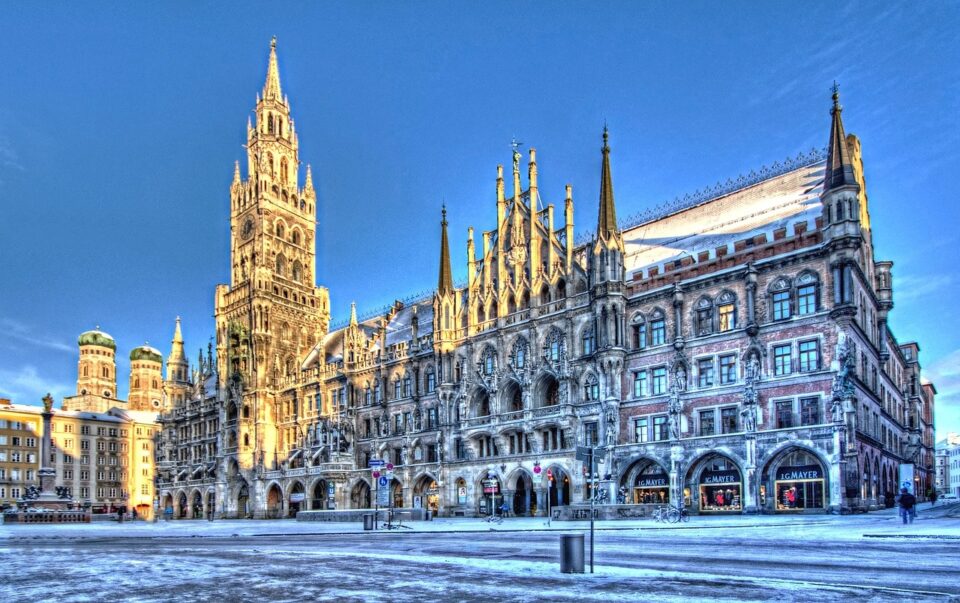
There’s something about arriving in Munich in winter that feels… quieter than expected. Not empty, not sleepy, just softer. The usual rhythm of the city slows down, footsteps sound different on cold pavement, and even the busy squares seem to breathe a little deeper.
If you’ve only seen Munich in summer or during Oktoberfest, winter will surprise you. It’s not trying to impress you. It just quietly unfolds, layer by layer, in a way that feels a bit more personal.
What Munich Feels Like in Winter
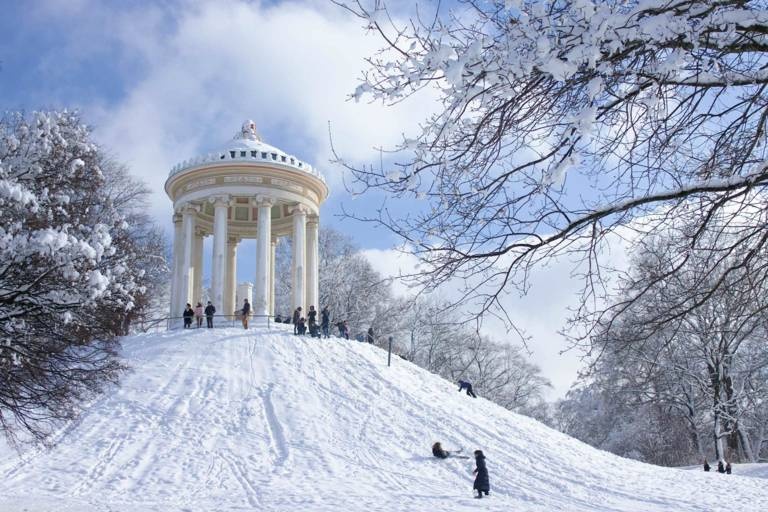
Let’s start with the obvious. It’s cold. But not in a dramatic, unbearable way. More like a steady, dry chill that asks you to slow down and dress properly.
Average winter temperatures usually sit between -2°C and 4°C, with January being the coldest month.
But the real story isn’t the temperature. It’s the atmosphere.
You’ll notice things like:
- Streets that feel calmer than usual
- A different kind of light, especially in the afternoon
- Locals moving with purpose, not rushing
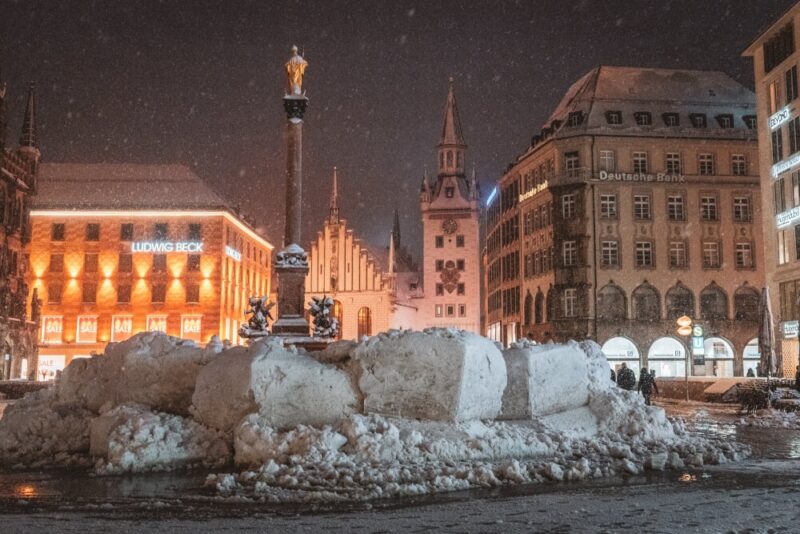
And yes, sometimes snow. Not always thick or cinematic, but enough to soften the edges of the city.
On average, Munich gets snowy days in winter, especially in December and January.
Did you know?
Winter days in Munich can get surprisingly short, with sunset around 4:30 PM in December, which completely changes how you experience the city.
A Different Kind of City Energy
Here’s where things get interesting. Munich doesn’t shut down in winter. It adapts.
There’s a shift from outdoor buzz to indoor warmth. You’ll feel it the moment you step into a café or a traditional Bavarian beer hall. Suddenly, everything is warmer, louder, and more alive.
And somewhere in that contrast, you start to understand the city better.
Interestingly, if you’re exploring the more discreet side of nightlife or companionship services, it’s not unusual to come across options like escort München, which reflects how even in colder months, the city maintains a layered and active social scene beyond the obvious tourist paths.
It’s not something you see advertised openly, but it’s part of the city’s broader character. Munich isn’t just postcard-perfect. It’s complex, lived-in, and quietly diverse.
What to Actually Do in Munich in Winter
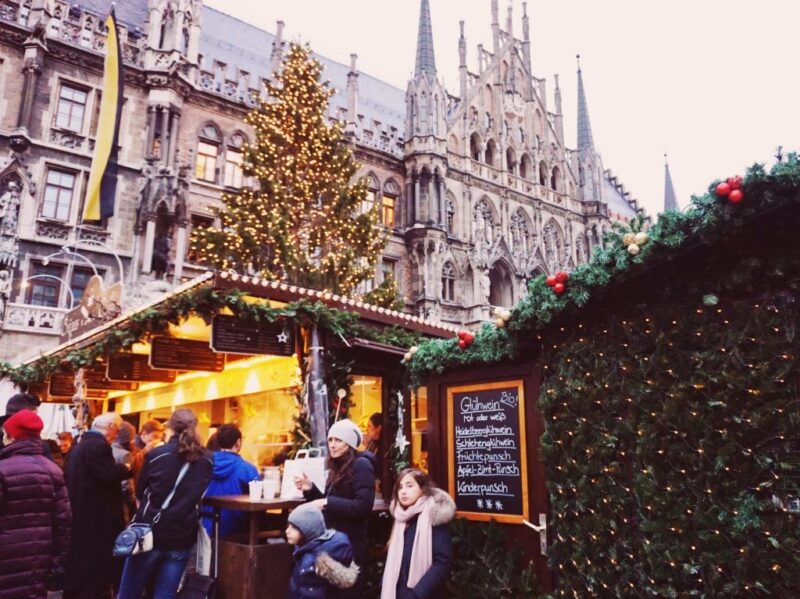
Winter in Munich isn’t about ticking off landmarks as quickly as possible. It’s more about pacing yourself and choosing experiences that match the season.
Classic winter experiences
There are a few things that just feel right this time of year:
- Walking through Christmas markets with a warm drink
- Visiting museums when it’s too cold outside
- Sitting in a beer hall longer than you planned
Christmas markets, especially around Marienplatz, are probably the highlight. They’re not just for tourists. Locals show up too, which says a lot.
Slower, more local moments
But honestly, some of the best moments are less obvious:
- A quiet walk through the English Garden covered in frost
- Watching the city from a café window while it snows lightly
- Getting slightly lost in side streets near the old town
These are the moments that don’t show up in guidebooks, but stay with you longer.
Weather Reality Check
Let’s keep this realistic. Munich in winter is not always a fairytale.
Here’s a quick breakdown:
| Month | Avg Temp (°C) | Snow Chance | Overall Feel |
| December | 0 to 3 | Moderate | Festive, busy |
| January | -4 to 3 | Higher | Coldest, quieter |
| February | -2 to 5 | Lower | Slightly easier |
Temperatures can dip below freezing regularly, and while snow happens, it doesn’t always last long.
Also, expect grey skies. A lot of them.
But here’s the upside. Less rain compared to other seasons, and fewer crowds in January and February.
What to Expect from Food and Warm Places
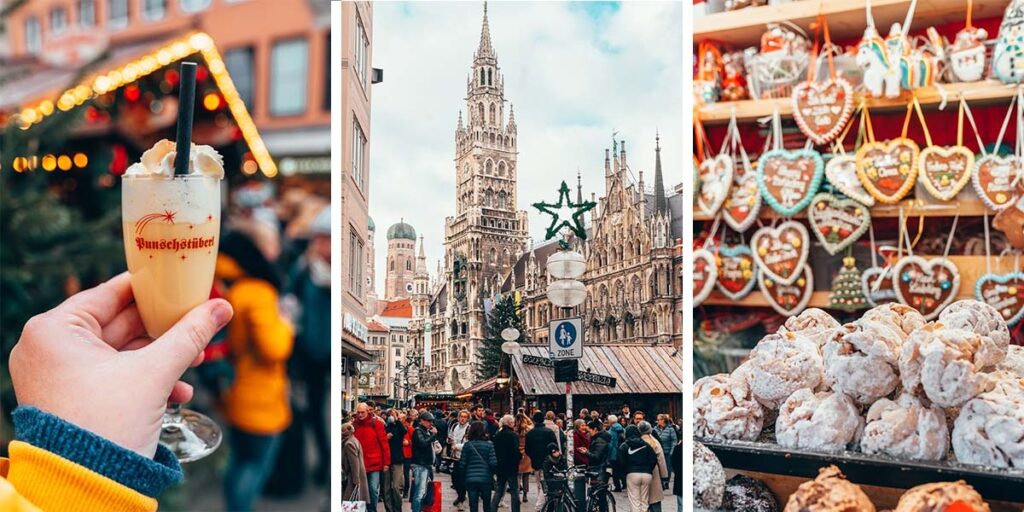
Winter changes how you experience food in Munich. It becomes less about trying everything and more about finding comfort.
You’ll naturally gravitate toward:
- Hearty Bavarian dishes like sausages and roasts
- Thick soups that actually warm you up
- Glühwein, which is basically the unofficial drink of winter
And the spaces themselves matter just as much as the food. Wooden interiors, low lighting, shared tables. It’s not fancy, but it feels right.
There’s also something about staying longer than planned. You sit down for a quick meal, and two hours later, you’re still there, talking, warming up, watching people come and go.
The Pros and Cons You Should Know
Winter in Munich is not for everyone, and that’s actually part of its charm.
Here’s a balanced view.
What works really well
- Fewer tourists after December
- Lower accommodation prices in January and February
- A more authentic, everyday version of the city
What can be challenging
- Short daylight hours
- Cold weather that limits long outdoor exploration
- Occasional grey, moody days
Some travelers even say winter feels a bit too quiet or dark. And honestly, that’s fair.
But if you’re okay with that slower pace, it becomes a strength rather than a downside.
A Small Shift in Perspective
The biggest mistake people make is expecting Munich in winter to feel like Munich in summer, just colder.
It’s not.
It’s a different version of the same place. More introspective. Less performative. And in a strange way, more honest.
You stop trying to see everything and start noticing smaller things. The way people gather indoors.
The way the city lights reflect on wet streets. The way silence feels different when there’s snow.
Final Thoughts
Munich in winter doesn’t try to win you over immediately. It takes a bit of patience.
But if you give it that time, it slowly reveals a side that’s easy to miss during busier months.
It’s not about big moments or perfect weather. It’s about atmosphere, rhythm, and those small, quiet experiences that feel unexpectedly meaningful.
If you’re looking for a trip that feels a little more grounded and a little less curated, winter might be the best time to see Munich exactly as it is.