
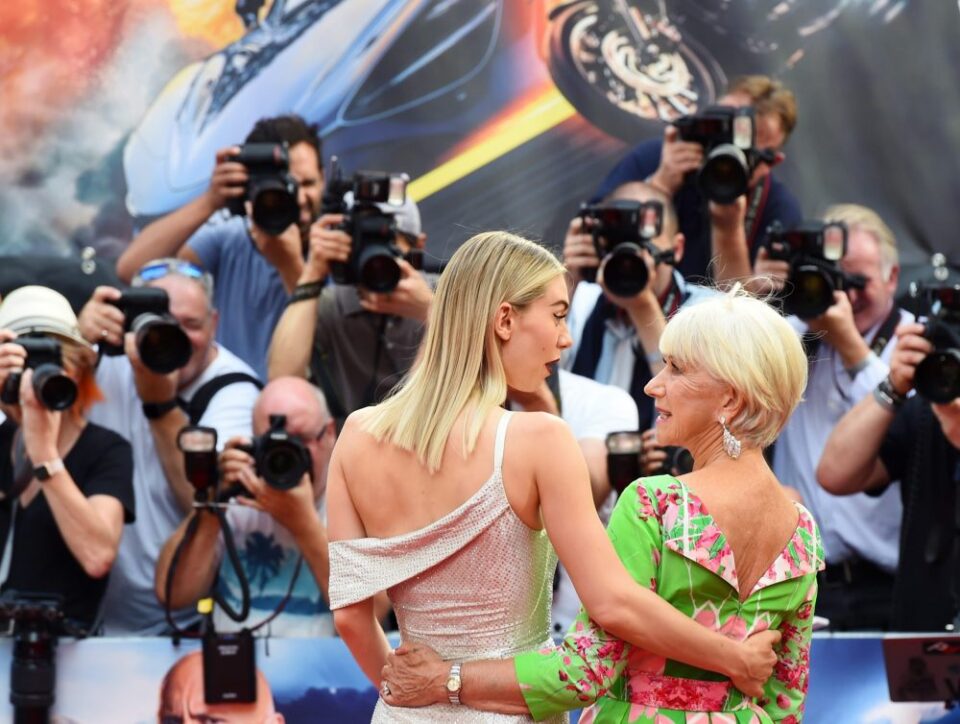
Entertainment rumors spread quickly on social media because dramatic claims attract attention and are easy to share.
False stories may be created to generate traffic, earn advertising revenue, damage reputations, reduce trust, or manipulate readers.
Checking these areas before sharing can reduce the spread of inaccurate information.
Check the Source
Source credibility should be checked before trusting a story. A recognizable name alone is not enough. Readers should look at the outlet’s history, editorial practices, ownership information, and record of correcting mistakes.
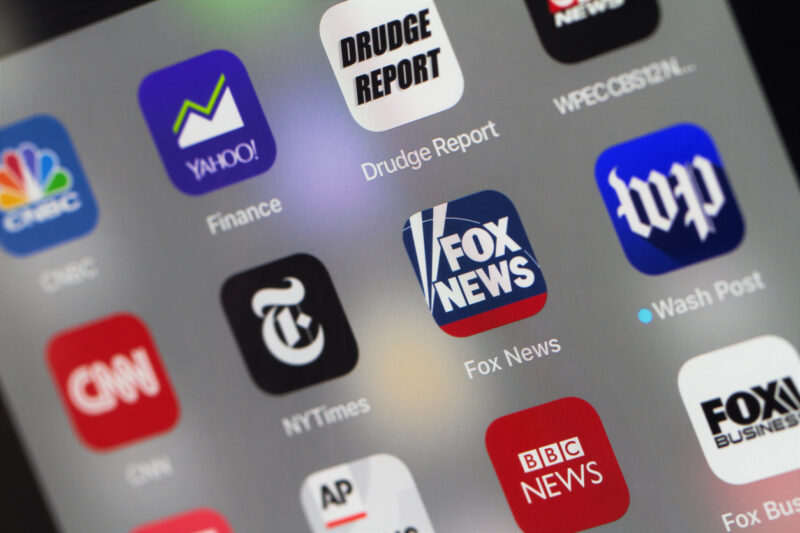
Review the Publication’s Track Record
Established news organizations usually have a visible reporting history, editorial standards, identifiable staff, and procedures for correcting errors.
Consistent publishing over time also gives readers more material to evaluate.
A credible outlet should make it possible to see who is responsible for its reporting. Staff pages, author profiles, correction notices, and editorial policies can help show how seriously a publication treats accuracy.
Recent stories can also reveal patterns. Frequent sensational claims, unsupported celebrity rumors, or repeated corrections may indicate weak editorial controls.
Check the Website Address
Website addresses also matter because imitation sites may use names that closely resemble legitimate publishers. Small spelling changes, added words, or unusual domain endings can make a fake site look convincing.
Readers should compare the address with the official site of the publication they recognize. Warning signs can include:
- Misspelled publication names
- Extra words added to a familiar brand
- Unusual domain endings
- Addresses that redirect to unrelated pages
A polished logo or familiar color scheme should not override problems with the actual web address.
Do Not Judge Credibility by Design
Professional design should not be treated as proof of credibility.
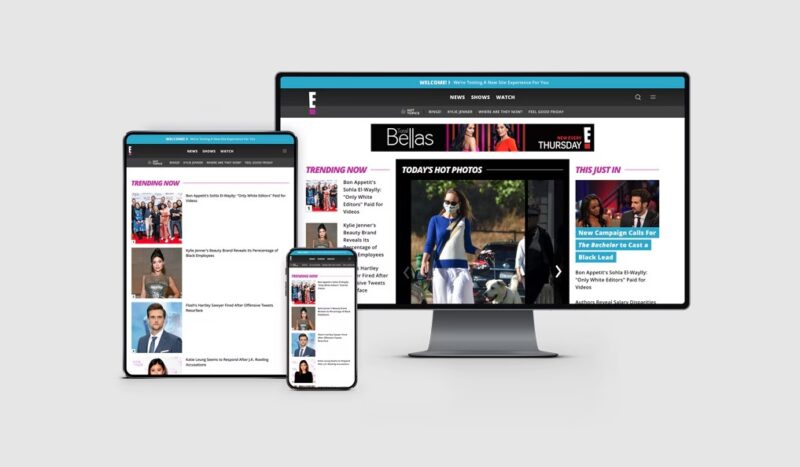
Misleading websites can copy the visual style of established publications, including fonts, layouts, logos, and article formats.
Readers should focus on reporting quality instead of appearance. Evidence, authorship, sourcing, corrections, and transparency provide stronger signals than visual presentation.
Check the Evidence
Strong reporting should show how important claims were established.
Readers should be able to identify where key information originated and what supports it.
Additional tools can help when the origin of suspicious text is unclear.
A free AI detector can be used as an extra screening step when evaluating content that may have been generated automatically, although its result should not replace source checking or evidence verification.
Look for a Named Author
Named authors provide accountability because readers can review previous work and reporting history.
Author profiles may also show professional experience, areas of coverage, and previous publications.
Stories without a byline, or stories credited only to staff or anonymous contributors, deserve additional caution. Lack of a named author becomes more concerning when a story makes serious claims about a celebrity, legal dispute, breakup, firing, death, or controversy.
Anonymous authorship does not automatically make a report false, but it gives readers fewer ways to evaluate responsibility and credibility.
Check Where the Claim Started
Repeated reporting does not always mean independent confirmation. Several websites may repeat one unsupported rumor and make it appear widely verified.
Readers should identify the earliest available source of the claim.
A story may pass through several websites before reaching social media, even though every version depends on the same original rumor.
Common warning patterns include:
- Multiple articles citing one unnamed insider
- Websites citing each other in a loop
- Social posts treated as proof without verification
- Claims based on screenshots with no original source
Finding the first source can reveal how much evidence actually exists.
Use a Simple Verification Process
A practical verification process uses four actions: stop, investigate, find, and trace.
Stop before reacting or sharing. Investigate the outlet and author. Find stronger coverage through established sources. Trace important claims to the earliest available evidence.
Following that order can prevent a dramatic headline from shaping judgment before basic verification takes place.
Compare Other Sources
Searching for the same claim on other credible websites can expose weak reporting. Cross-checking can show which details are confirmed and which exist only in one version of the story.
Look for Independent Confirmation
Major entertainment developments involving well-known actors, musicians, studios, streaming companies, or public disputes often receive coverage across multiple professional outlets when solid evidence exists.
Independent reporting matters more than simple repetition. Several articles based on one unnamed source do not provide several separate confirmations.
More useful confirmation can come through:
- Separate interviews
- Independent reporting teams
- Official documents
- Public statements
- Direct confirmation by representatives
Readers should focus on how many independent sources support a claim, not how many websites repeat it.
Use Lateral Reading
Lateral reading can help readers test a claim. Instead of staying on one website, readers can check outside sources to learn how reputable organizations describe both the outlet and the reported event.
Searching the publication’s name alongside terms such as ownership, corrections, credibility, or previous reporting can provide useful context.
Opening several credible sources side by side can also make inconsistencies easier to spot.
Compare Specific Details
Important details worth comparing across reports include:
- Dates and timelines
- Names and job titles
- Direct quotations
- Official statements
- Locations
- Supporting documents
Differences in minor wording are normal. Major contradictions involving dates, identities, quotes, or official positions deserve closer attention.
If one outlet reports that a celebrity personally confirmed a claim while others describe it as unverified speculation, that difference matters.
Watch for Clickbait
Clickbait often uses exaggerated language to create curiosity, anger, fear, or surprise. Dramatic wording becomes more suspicious when strong claims are not supported by strong evidence.
Compare the Headline With the Story
Reading the full story is important because headlines may overstate what the reporting actually proves.
A headline may suggest confirmation even when the body only contains speculation, anonymous claims, or an old quote taken out of context.
Readers should check if the article actually supports the strongest claim in the headline. Warning signs can include:
- A headline stating something as fact while the article uses uncertain language
- Dramatic wording unsupported by direct evidence
- Important qualifications buried near the end
- Headlines built around a single vague quote
A mismatch between headline and body should reduce confidence in the report.
Check Images and Visual Evidence
Images can also mislead readers.
Old photographs may be presented as recent, unrelated images may suggest a false connection, and edited pictures may make unsupported claims seem credible.
Visual material should be checked for context. Useful questions include:
- When was the image first published?
- Does it actually show the event being discussed?
- Has the image been cropped or edited?
- Does an original version exist elsewhere?
A convincing image can make a weak story feel more credible even when it has little connection to the claim.
Summary
Credible entertainment reporting depends on identifiable publishers, solid evidence, and independent confirmation. Sensational claims should not be accepted simply because they appear repeatedly online.
Personal beliefs can also affect judgment. Readers may accept claims more easily when those claims match opinions they already hold about a celebrity, movie, musician, studio, or controversy.
Following those steps can help readers identify misleading entertainment stories before they spread them further.