
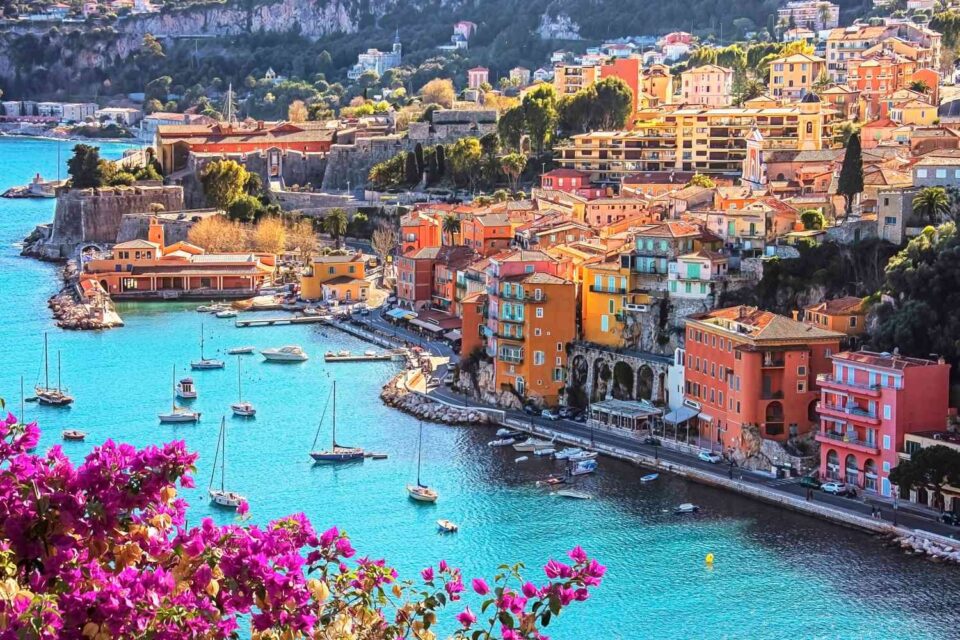
More than 90 million people visit France every year, and a huge portion of them head straight to the South. Yet most travelers end up having a surprisingly similar experience: the same crowded beaches, the same postcard viewpoints, the same rushed itineraries.
The funny thing is, locals experience this region in a completely different rhythm.
Slower mornings, longer lunches, quieter towns just a few kilometers inland.
If you have ever wondered why the South of France feels magical in movies but hectic on the ground, the answer is usually not the destination, but the way you move through it.
This guide is about shifting perspective and learning how to travel the South of France like someone who actually lives there.
Understanding the Local Rhythm Before You Arrive
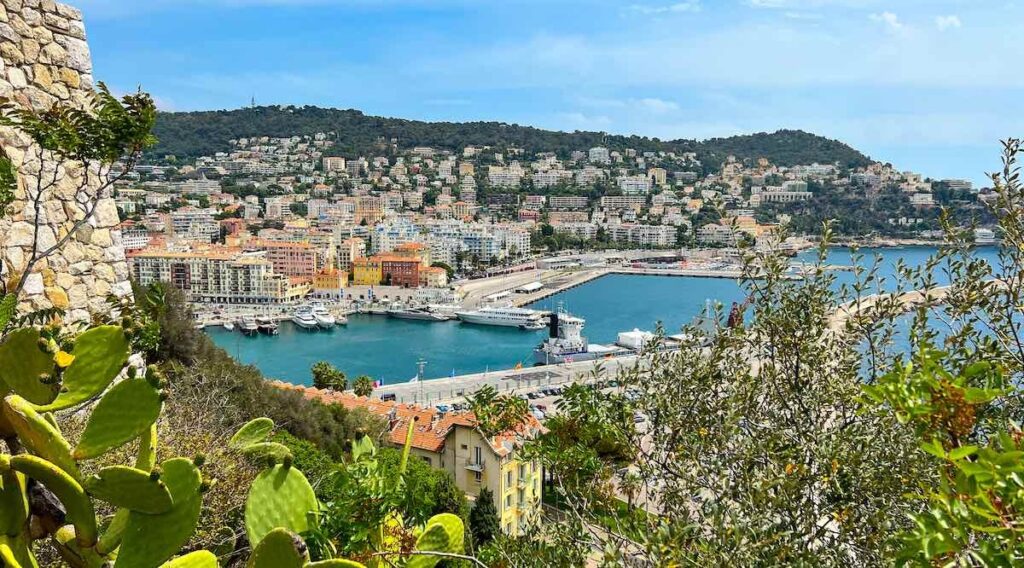
The first thing locals notice about visitors is not how they dress or what language they speak, but how fast they move.
The South of France runs on its own internal clock, especially outside major cities.
A local-style trip starts with planning less and allowing more space in your days.
Shops close for lunch, dinners start late, and mornings often begin quietly with a coffee at the same café every day.
When you rush between towns trying to see everything, you miss the small rituals that define daily life here.
Instead of stacking destinations, focus on one base and branch out slowly.
Choose a town where you can walk to the bakery, the market, and the harbor. Locals rarely change accommodation every night, and neither should you.
A useful mental shift:
- Treat travel days as part of the experience, not interruptions
- Plan one main activity per day, not five
- Leave room for unplanned stops and long meals
Choosing a Base Like a Local, Not a Tourist
Where you stay matters more than what you see. Locals rarely stay right on the most famous squares or beaches. They prefer edges, hills, and quieter neighborhoods with easy access.
If you want coastal energy without chaos, towns like Beaulieu-sur-Mer or Villefranche-sur-Mer offer walkability and charm without overwhelming crowds.
Inland villages such as Vence or Grasse give you cooler evenings and a more residential feel, while still being close to the coast.
Many locals experience Monaco and the Riviera from the water, especially during summer.
Instead of viewing the coastline only from roads or promenades, spending time offshore gives you a completely different perspective.
This is where a Navélia yacht charter Monaco fits naturally into a local-style trip, not as a luxury add-on, but as a way people here actually enjoy the sea, privacy, and flexibility without fixed schedules.
Comparing Popular Bases vs Local-Friendly Alternatives
| Tourist Favorite | Local Alternative | Why Locals Prefer It |
| Central Nice | Cimiez or Mont Boron | Quieter streets, better views |
| Cannes Croisette | Le Cannet | Residential charm, easy access |
| Monaco center | Cap-d’Ail | More space, calmer evenings |
Choosing the right base instantly changes how your days unfold.
Getting Around Without Feeling Like a Visitor

Driving in the South of France is not difficult, but it requires patience and flexibility.
Locals know when not to drive. They avoid peak beach hours, festival weekends, and coastal roads during rush times.
Trains are surprisingly effective for moving along the coast.
The regional TER line connects towns like Nice, Antibes, Cannes, and Menton with speed and reliability.
Locals often mix transport types: train for coast-hopping, car for inland villages, walking for daily errands.
If you do rent a car, treat it as a tool, not a constant companion.
Park it for days when you are staying put.
Walking through a town at night, hearing conversations spill out of restaurants, is part of local life that disappears when you drive everywhere.
Did you know?
Many small towns deliberately limit parking near historic centers to preserve walkability and reduce traffic, a policy locals strongly support.
Eating Like a Local Without Chasing Trends
The biggest mistake visitors make is eating where they are hungry instead of where locals eat.
A restaurant with a perfect sea view and laminated menus in five languages is rarely a local favorite.
Locals choose places based on consistency, not novelty.
They return to the same bistro weekly, often ordering the same dish. Lunch menus are shorter, affordable, and designed for workers, not tourists.
Look for signs of local dining:
- A handwritten menu that changes daily
- Fixed lunch menus with two or three options
- Tables filled with people speaking French, not holding phones
Markets are another cornerstone of local eating. Visiting a marché is not sightseeing, it is grocery shopping.
Pick up bread, cheese, fruit, and olives and build meals around what is fresh rather than what is famous.
Local food culture fact:
In many southern towns, the main meal of the day is still lunch, not dinner, which explains why restaurants slow down significantly between 3 pm and 7 pm.
Experiencing the Coast Beyond Crowded Beaches
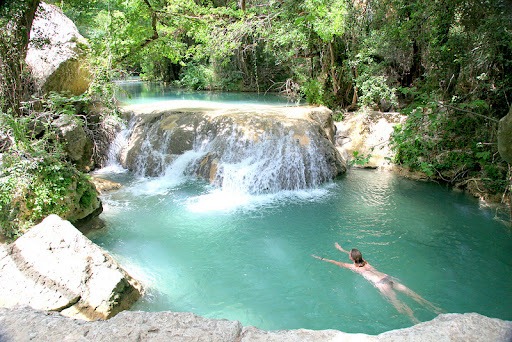
Locals rarely spend entire days on the most famous beaches. They arrive early, leave before peak hours, or choose smaller, less obvious spots.
Pebble beaches near Nice are often favored by residents because they stay cleaner and less crowded than sandy stretches.
Another local habit is alternating beach days with non-beach days. Coastal fatigue is real. Inland swimming spots, rivers, and shaded walks are part of the weekly routine.
The sea itself is a living space, not just a backdrop.
Boating, paddleboarding, and swimming offshore allow locals to enjoy the coastline without competing for space.
Being on the water early in the morning or near sunset reveals a quieter side of the Riviera that many visitors never see.
Shopping and Wandering With Intention
Locals do not shop for souvenirs. They shop for objects they use. Ceramic bowls, linen napkins, simple jewelry, or regional soaps are everyday items here, not keepsakes.
Instead of souvenir streets, explore side roads one or two blocks away.
Small ateliers and family-run shops survive there, often closing for lunch and reopening later in the afternoon.
A good rule is to walk without a destination once per day.
Locals wander their own towns regularly, noticing changes in shop windows, seasonal decorations, or street repairs.
This slow observation is part of feeling connected to a place.
Timing Your Visit Like Someone Who Lives There
The South of France changes dramatically with the seasons.
Locals structure their year around these shifts.
July and August are intense, social, loud, and crowded.
Many residents take holidays elsewhere during this period.
June and September are widely considered the best months, offering warm water, open restaurants, and fewer crowds.
Winter is quieter but deeply authentic. Towns return to their routines, markets become community hubs, and coastal walks feel personal rather than performative.
Seasonal Snapshot
| Season | Local Experience | What to Expect |
| Spring | Reopening and renewal | Mild weather, fresh produce |
| Summer | Social intensity | Festivals, late nights |
| Autumn | Calm and balance | Warm sea, fewer visitors |
| Winter | Everyday life | Quiet towns, local focus |
Ending Your Trip Without Feeling Like You Missed Something
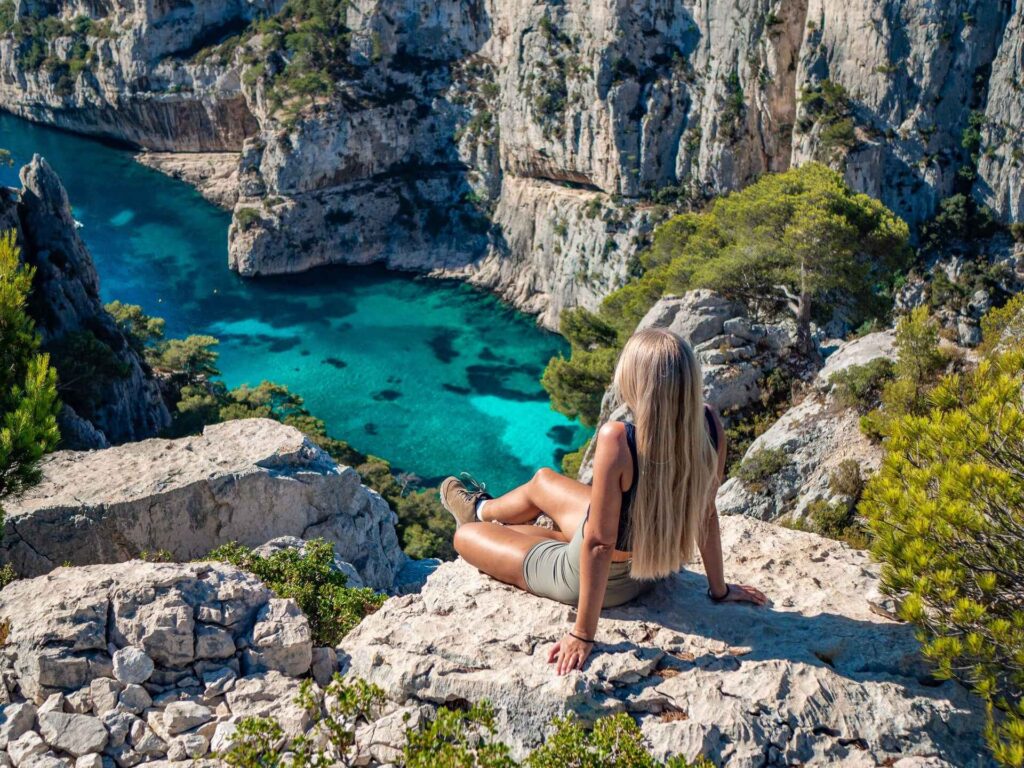
Traveling the South of France like a local does not mean seeing everything. It means leaving with a sense of familiarity. Knowing where to get your morning coffee.
Recognizing streets without checking maps. Feeling comfortable enough to slow down.
When you stop measuring a trip by landmarks and start measuring it by moments, the region opens up in unexpected ways.
A long lunch that turns into a conversation.
A swim you did not plan. A quiet evening walk instead of another checklist item.
That feeling is what locals carry with them daily.
And it is what stays with you long after you leave, quietly reminding you that sometimes the best way to travel is simply to live, just for a while, exactly where you are.