
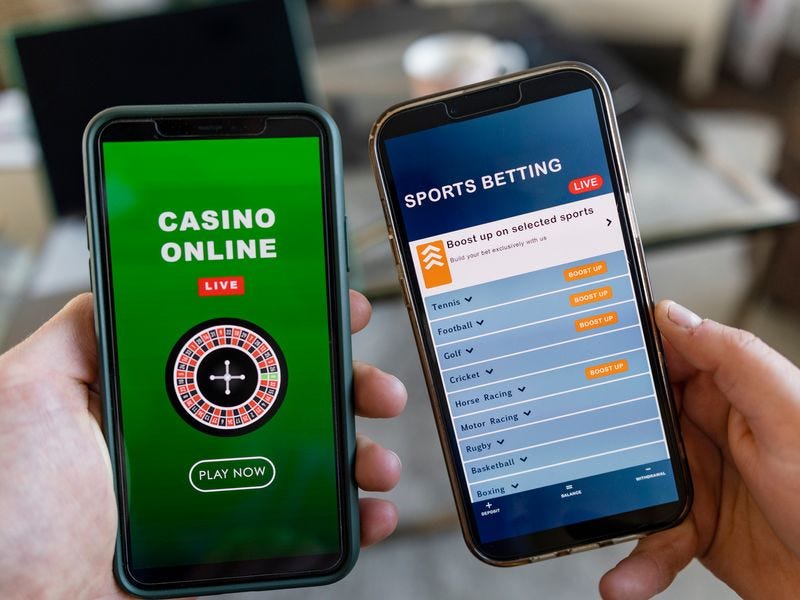
For a long time, betting was imagined as something private. One person, one decision, one outcome. A quiet moment, maybe a notepad, a set of odds, and a result checked later. That image doesn’t really match how online betting works anymore, especially in places where sports conversations never stop.
Today, betting often happens in the middle of group chats, live reactions, and shared moments. It’s less about sitting alone with numbers and more about reacting together to what’s unfolding on the screen. The act itself hasn’t disappeared, but its context has changed. Betting moved out of isolation and into the same spaces where fans already live during matches.
What changed wasn’t just technology, but timing. Betting started happening inside the moment, not before or after it.
Betting Followed the Conversation, Not the Other Way Around
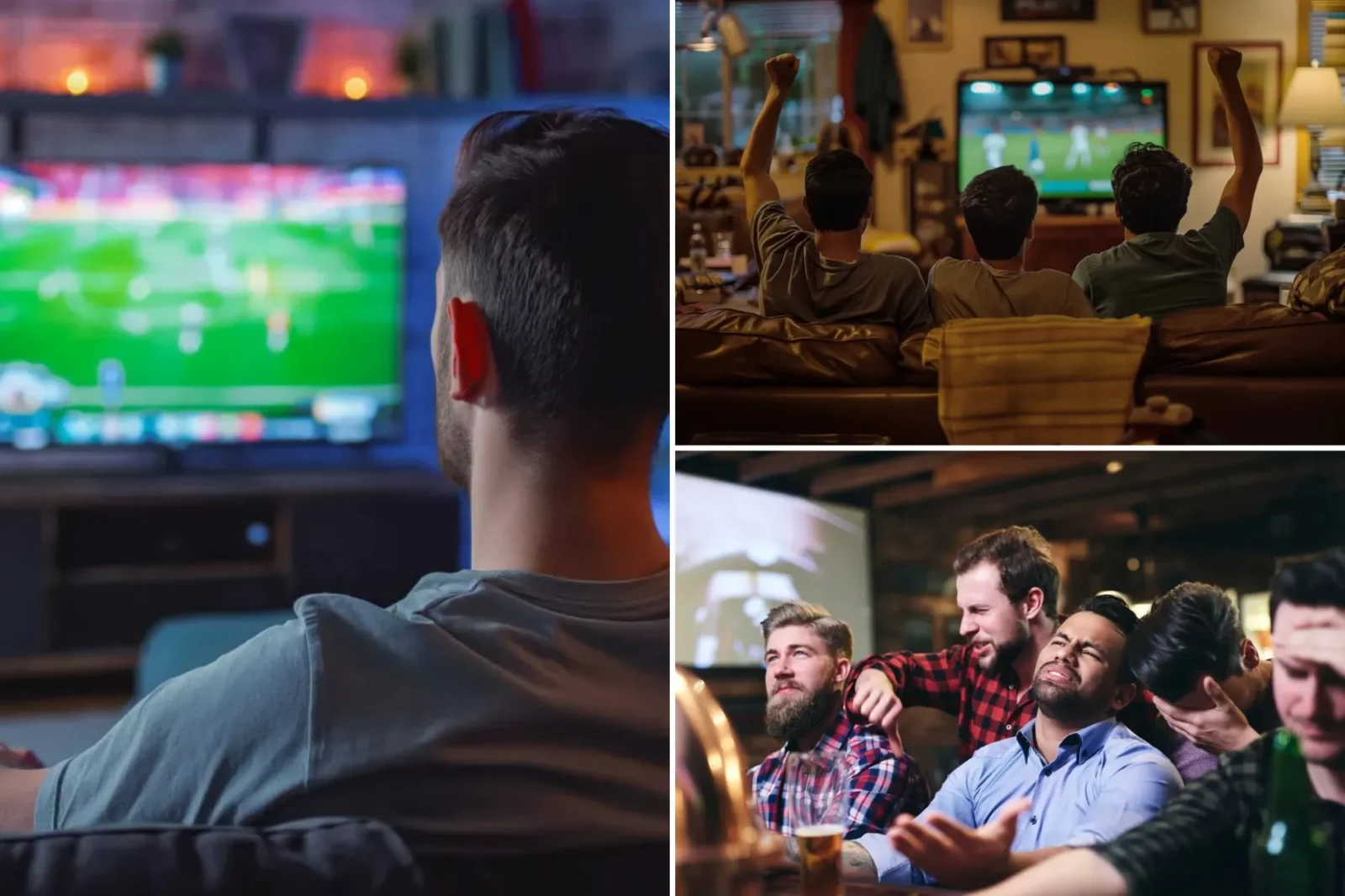
Sports fans have always talked during games. Shouting at the TV, arguing about referees, predicting what happens next. Those reactions didn’t need betting to exist. They were already there, loud and emotional. Online betting didn’t create that behavior. It simply slipped into it.
When a match turns chaotic, people don’t suddenly stop talking and start calculating probabilities. They react first. Someone says, “This is getting messy.” Another jokes that a red card is coming. A third person checks the odds out of curiosity. The bet doesn’t interrupt the conversation, it grows out of it.
You see this most clearly during big football nights, where reactions move faster than the game itself. Goals, VAR checks, injuries, momentum swings, all trigger instant commentary. Betting became just another response layered on top.
In many groups, it now plays a familiar role:
- Predictions feel conversational, not strategic. People bet because something feels like it’s coming.
- Suggestions bounce around casually, the same way opinions about tactics do.
- No one pauses the match experience to “focus on betting.” It happens alongside everything else.
That’s why betting doesn’t feel like a separate activity anymore. It feels woven into how fans already engage.
Phones Turned Moments Into Decisions
The real shift didn’t come from betting becoming easier. It came from betting becoming immediate.
Phones removed the gap between thinking and acting. In the past, there was friction. You had to plan, log in later, or commit before kickoff. Now, if something feels likely in the moment, it’s possible to respond instantly. That immediacy reshaped behavior.
Betting stopped feeling like a scheduled activity and started feeling like a reaction. Something you do because the game pulled you there, not because you sat down intending to bet.
Platforms serving local markets, such as betway nigeria, fit into this behavior by being present where fans already are: on their phones, during the match, in the middle of the noise.
This immediacy changed expectations too:
- Bets became shorter and more situational.
- Decisions became emotion-driven, not spreadsheet-driven.
- The line between watching and acting got thinner with every tap.
Once betting aligned with how people already consume sports on mobile, its social role expanded naturally.
Shared Wins Feel Bigger Than Private Ones
One reason betting became more social is emotional payoff. A small win shared with friends often feels larger than a bigger one experienced alone. Screenshots get sent. Messages fly. Jokes escalate. The moment stretches beyond the bet itself.
Even losses changed shape. They’re no longer something to quietly absorb. They get shared, laughed at, or turned into part of the night’s narrative. That shared reaction softens the experience and keeps it light.
In group settings, betting outcomes tend to create:
- Collective reactions, where the result matters less than the moment it creates.
- Storytelling, especially when a prediction almost came true.
- Emotional balance, where wins don’t inflate ego and losses don’t sting as hard.
Betting becomes part of the match story, not just a financial result. It lives alongside missed chances, referee mistakes, and late drama.
Casino Games Joined the Same Pattern
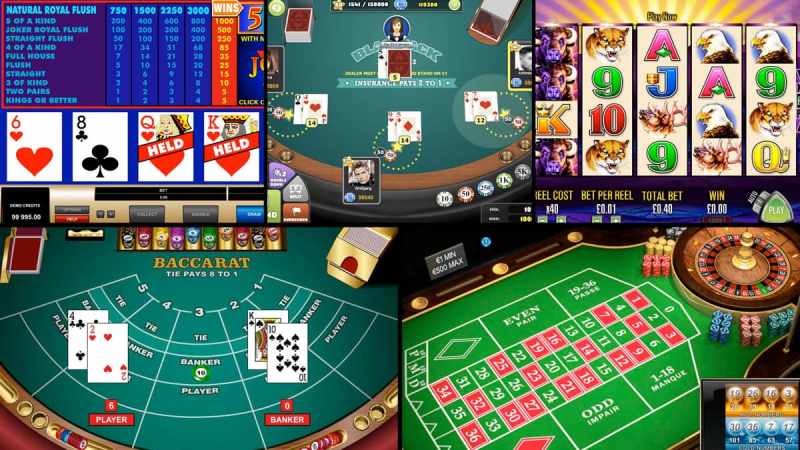
Online casino games followed a similar path, even though they’re not tied to live sports. They’re no longer treated as long sessions that demand focus and isolation. Instead, they’ve adapted to modern attention patterns.
Many people open casino games during quiet moments, halftime breaks, or while waiting for something else to start. Just like sports betting, casino play now fits into short gaps. A few minutes. A quick distraction. Then back to whatever was already happening.
This shift explains why certain formats gained more attention:
- Simple, fast-moving games outperform complex ones.
- Quick rounds fit better into fragmented attention spans.
- Low-commitment play matches modern media habits.
Casino play didn’t become less popular. It became lighter, quicker, and easier to blend into daily routines.
Why This Matters Culturally
What’s interesting isn’t just that online betting grew. It’s how it grew. It didn’t pull people away from sports culture. It embedded itself inside it.
Betting became another way to react, predict, argue, and celebrate. It didn’t replace fandom. It extended it. In many communities, especially where football discussions dominate social life, betting feels like another shared language.
Culturally, this matters because it shows that betting isn’t operating in a vacuum. It follows the rhythms of sport, conversation, and emotion. Its growth mirrors how fans already experience matches.
The Line Between Watching and Participating
For many fans, betting now feels like a way to participate without changing allegiance. You still support your team. You still care about the result. Betting just adds another layer of attention.
It sharpens focus during dull stretches. It heightens tension in close moments. It gives people something extra to talk about when the match slows down.
That’s why it doesn’t feel disruptive. It feels additive. It sits comfortably between watching and playing, offering involvement without demanding commitment.
The Bottom Line

The biggest misunderstanding about online betting is that it’s driven mainly by money. In reality, it’s driven by moments.
The unexpected goal. The late comeback. The feeling that something is about to happen. Online betting didn’t invent those moments. It simply found a way to live inside them.
And that’s why, for many people, it stopped being a solitary act and became part of how sports are experienced together.